
Relocate to Croatia
Mornings in Split. Paperwork on us.
Breakfast in Split’s old town, a swim before work, your laptop by the sea and dinner as the sun drops into the Adriatic. We take care of everything between you and that life: the visa, the paperwork, the bank and a home.
For remote workers, families and founders from the US, EU, UK, Canada, Australia and beyond.
- The EU’s safest neighbourhoods*
- More ways in than the digital nomad visa
- Visa, paperwork, bank and home handled for you
30 minutes. No obligation. Tell us where you are now and when you want to arrive.
- Route chosen Week 1
- Documents & insurance Weeks 2–4
- Application filed Month 2
- Decision & tax number Months 2–4
- Weekends on Hvar Summer
Illustrative timeline
- 1,244 Islands, islets and reefs along the Croatian Adriatic
- 5,835 km Of coastline, islands included
- 10 UNESCO World Heritage sites, from Split to Dubrovnik
- 1.4% Of people report crime where they live, the lowest in the EU (Eurostat, 2023)
- Euro Croatia’s currency since 2023, together with Schengen
- EU A member state since 2013
The Dalmatian lifestyle
A normal day in Dalmatia.
This is why people move here. The sea is part of the day, not a holiday, and the evenings are long.
-
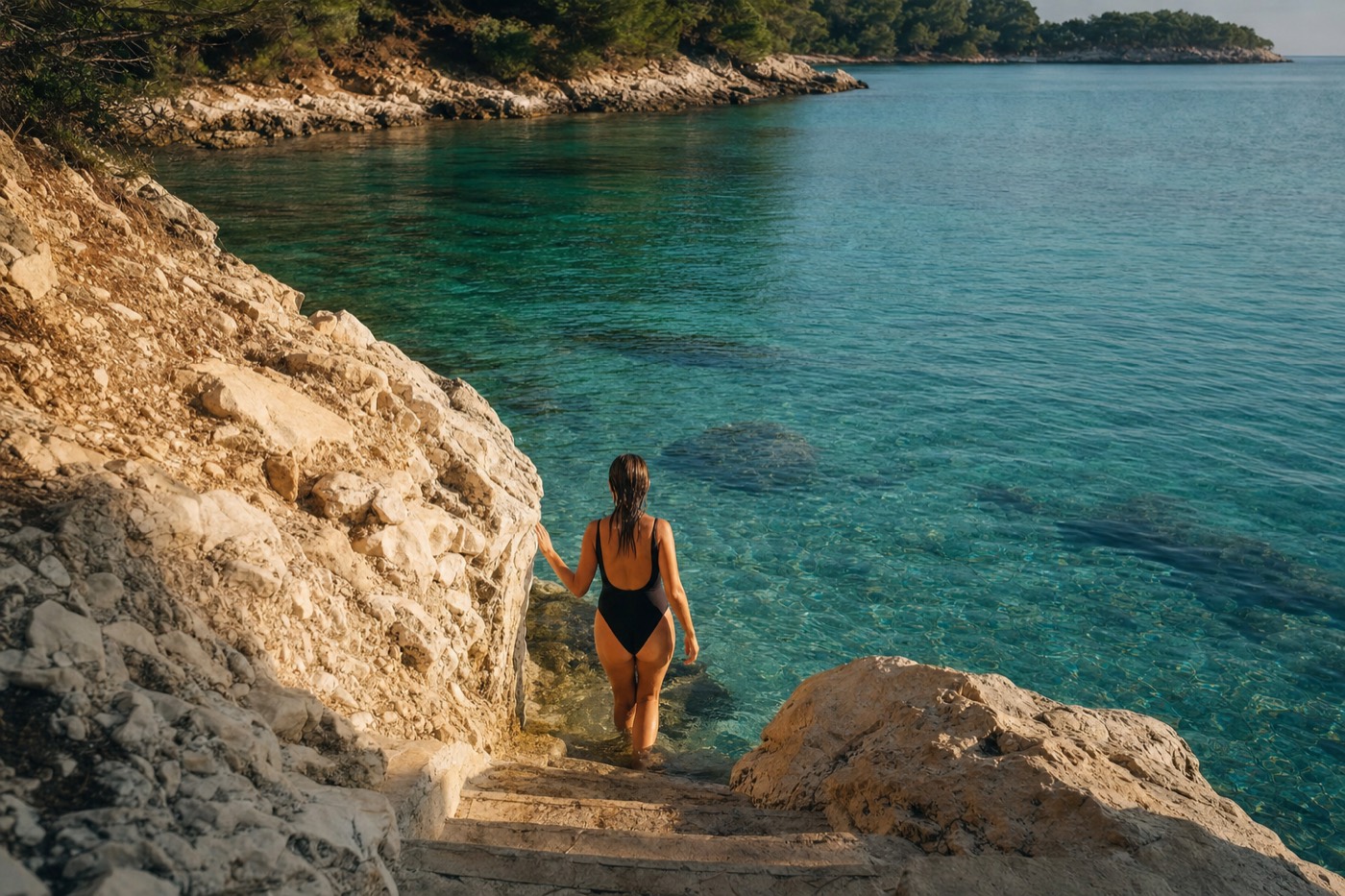 07:00
A swim before work
Clear coves are a short walk or drive from most Dalmatian towns.
-
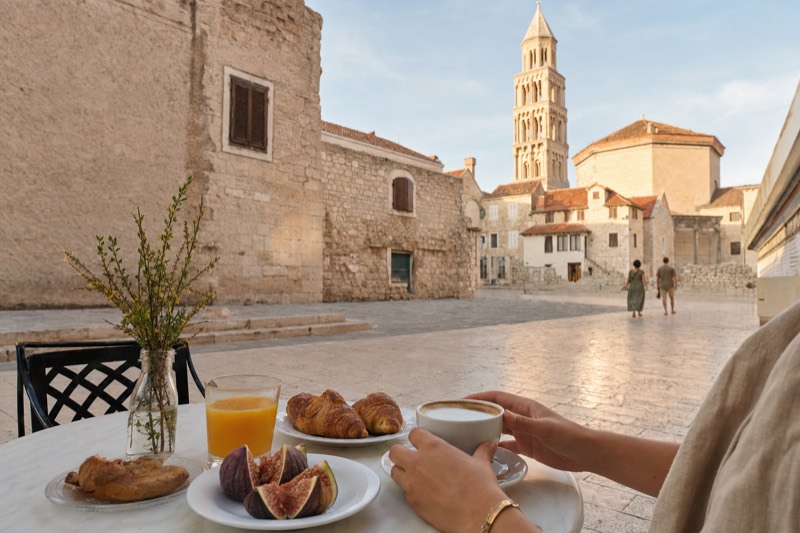 08:00
Breakfast in the old town
Cappuccino and figs under the bell tower of Diocletian’s Palace, before the day starts.
-
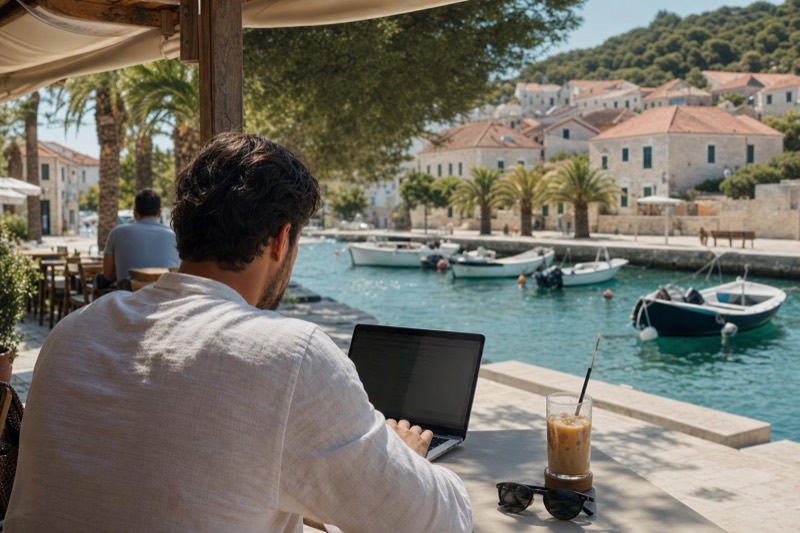 10:00
An office with a sea view
Work for your clients or employer abroad from a café on the waterfront.
-
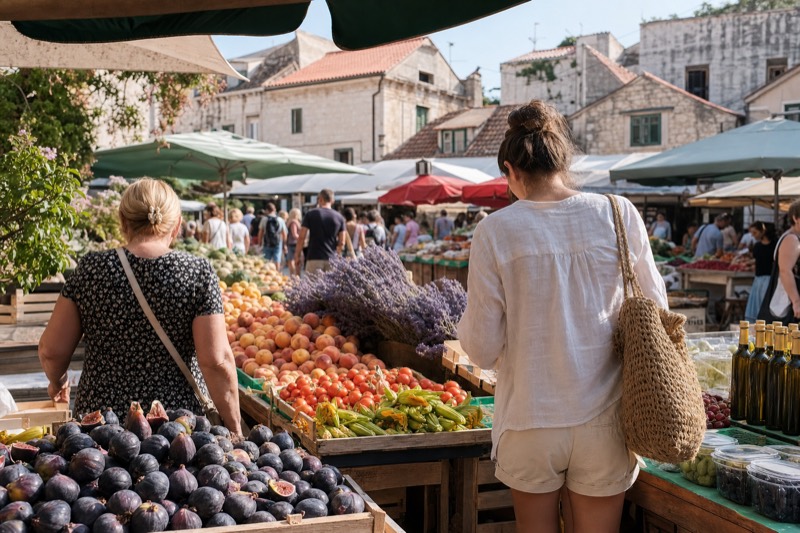 12:30
The green market
Figs, tomatoes, lavender and olive oil from the islands.
-
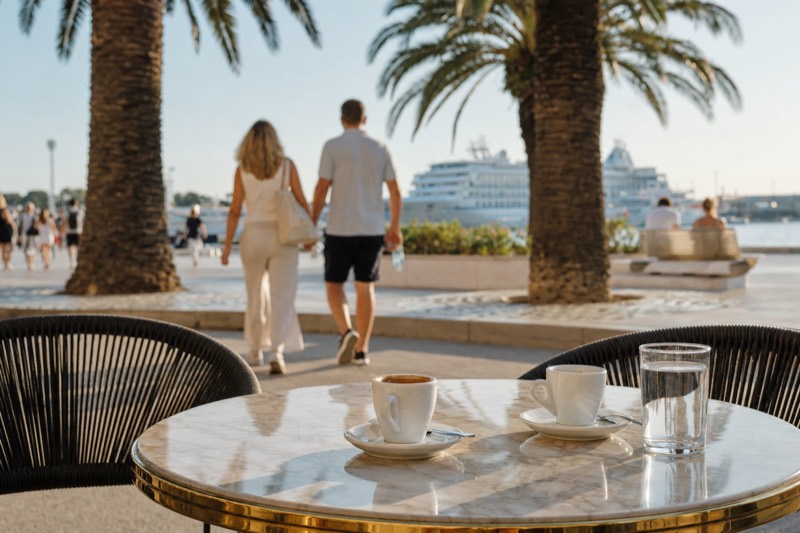 15:00
Coffee by the sea
In Dalmatia coffee is a long, slow social ritual. Nobody rushes it.
-
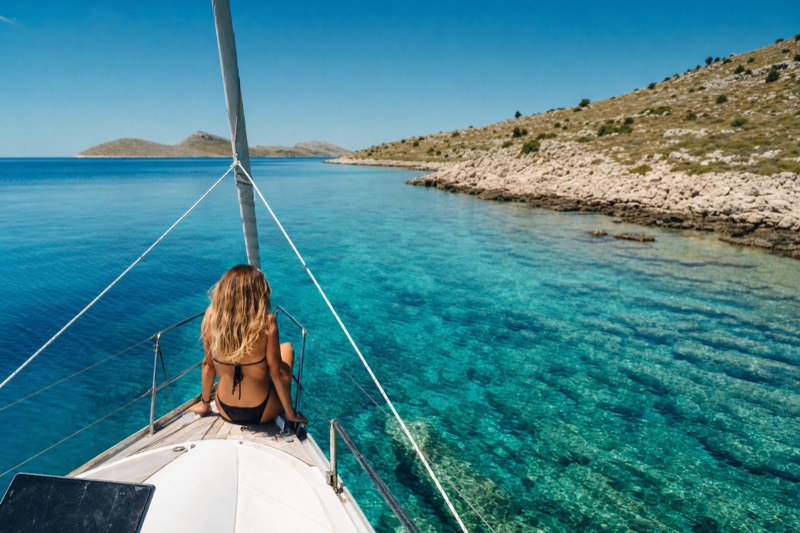 17:00
Out on the boat
Islands a short sail away and water so clear you can see the seabed.
-
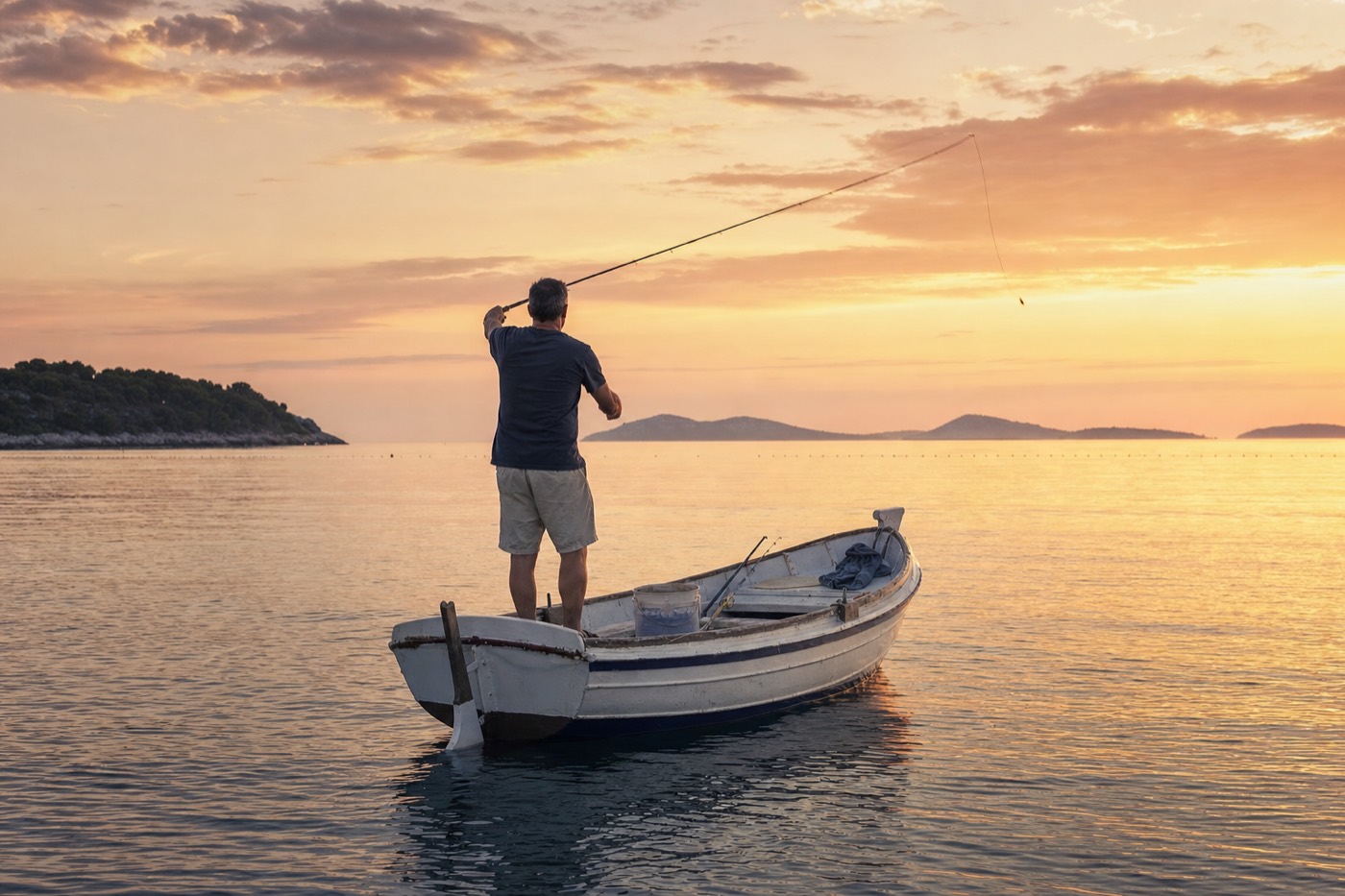 19:00
Fishing at golden hour
A small wooden boat, a line in the water, the sun going down over the islands.
-
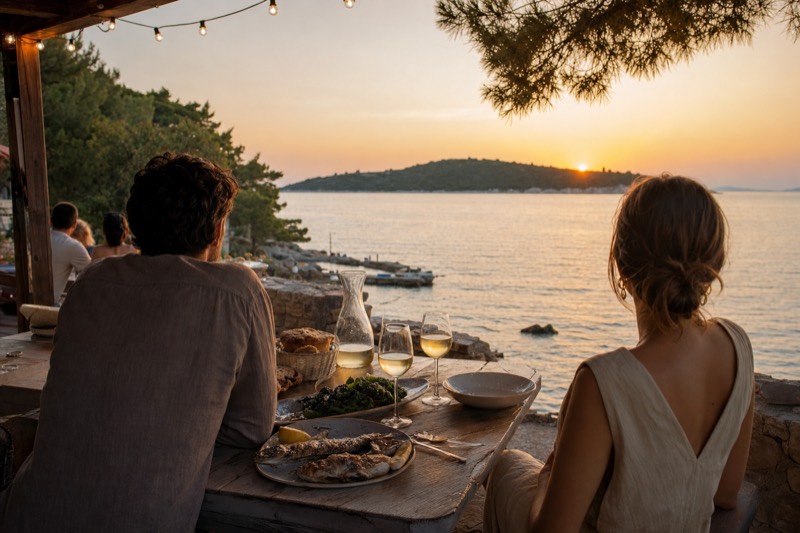 20:30
Dinner by the harbour
Grilled fish, Swiss chard and local white wine in a family tavern by the water.
-
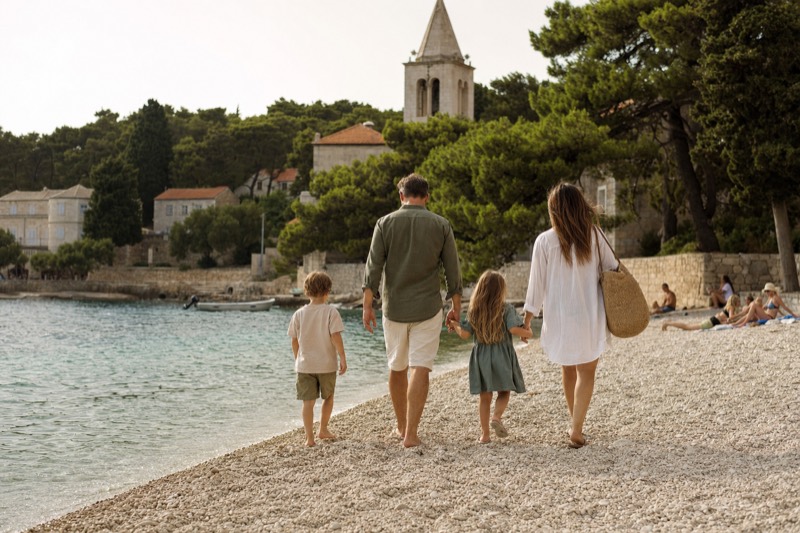 Weekend
And at the weekend
Pebble beaches, pine shade and village life.
Where people settle
Pick your stretch of the Adriatic.
City energy, island quiet or Italian-style hills. We help you choose before you sign a lease.
-
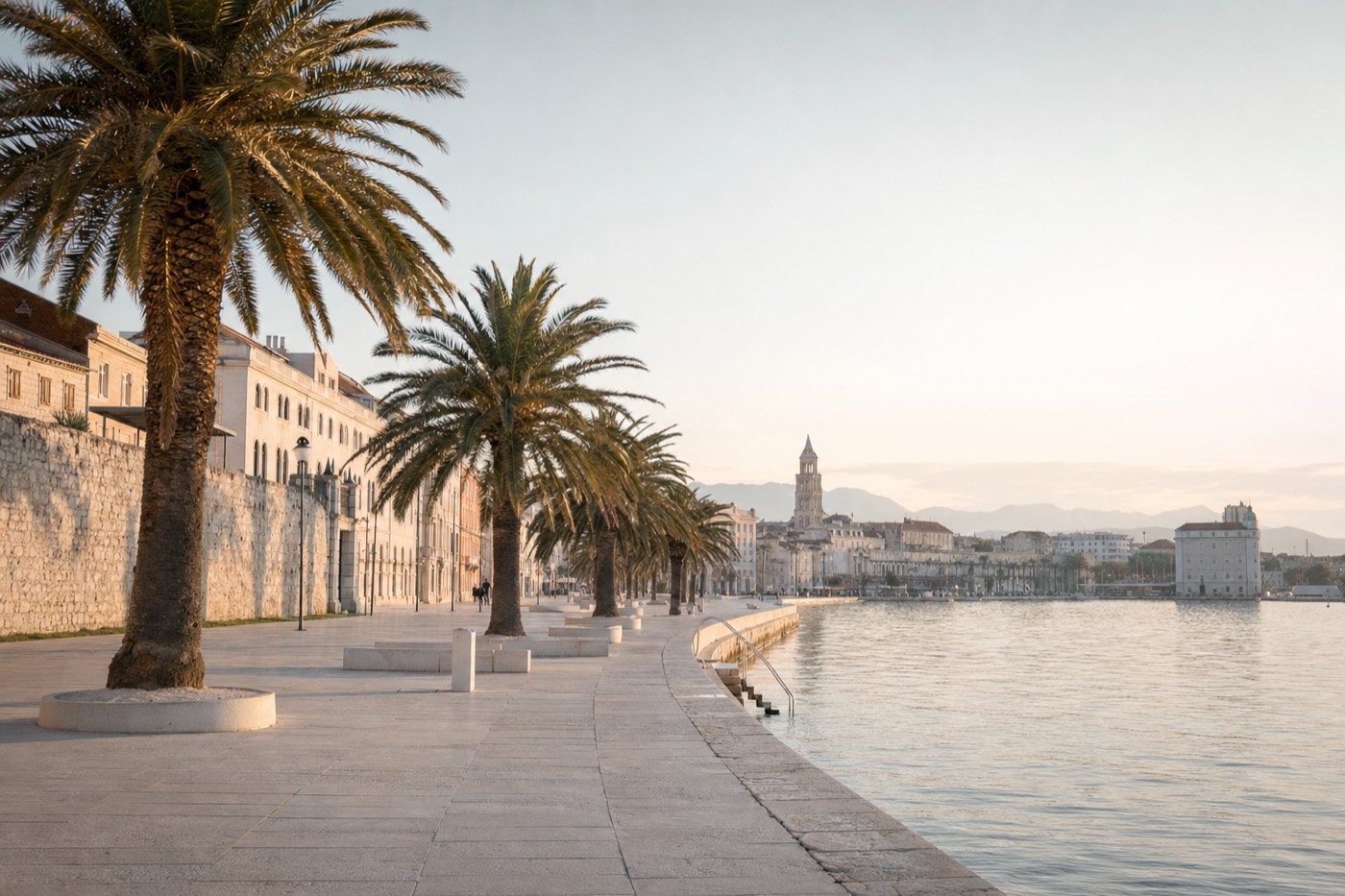
Split
Dalmatia’s capital: Diocletian’s Palace, the seafront, ferries to the islands and a big remote-work community.
-
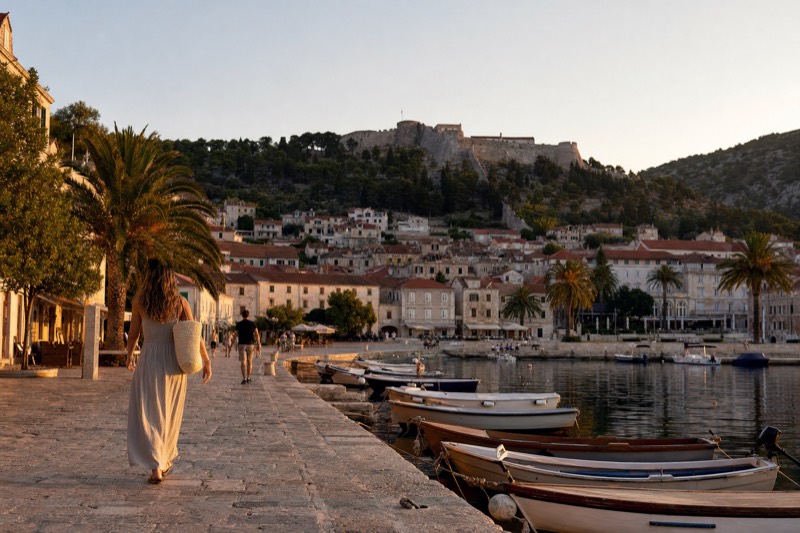
Hvar
Croatia’s most glamorous island: a buzzing harbour in summer, lavender fields and quiet winters.
-
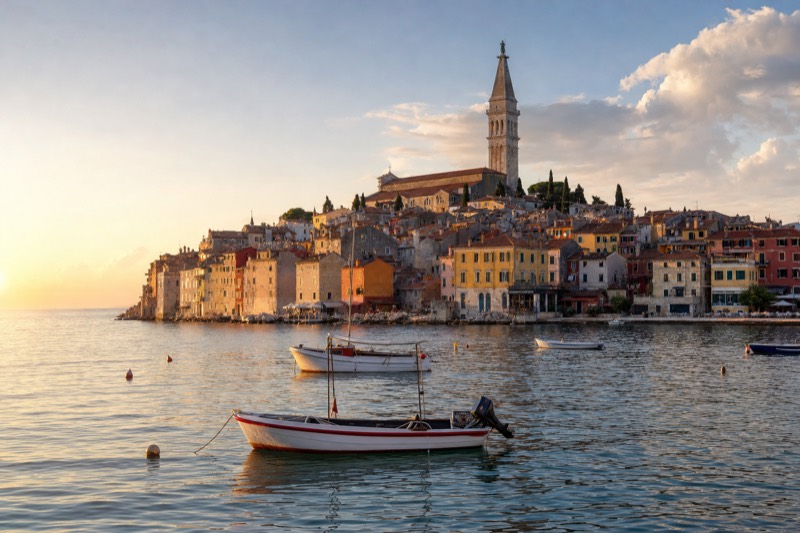
Rovinj and Istria
The prettiest town on the coast, with truffle hills and Italy next door.
-
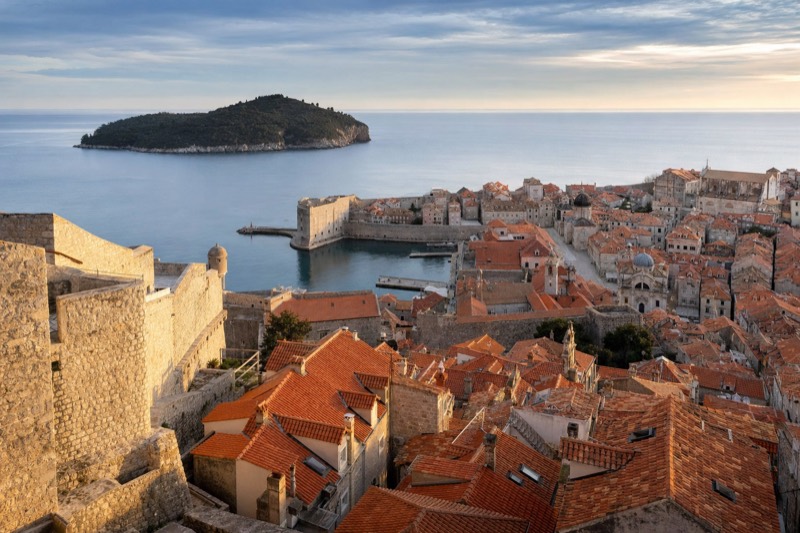
Dubrovnik
The Pearl of the Adriatic: the walled city on the far south coast, calm and beautiful out of season.
-
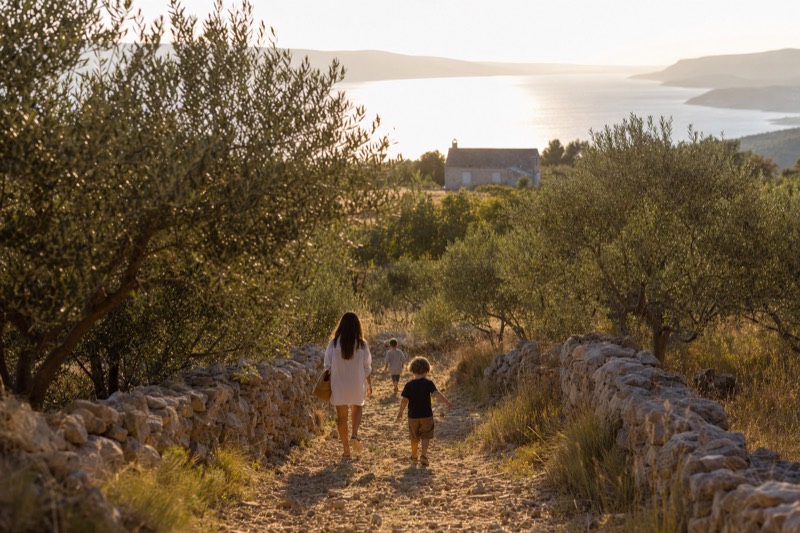
Brač
Zlatni Rat beach, olive groves and stone villages, a short ferry from Split.
-
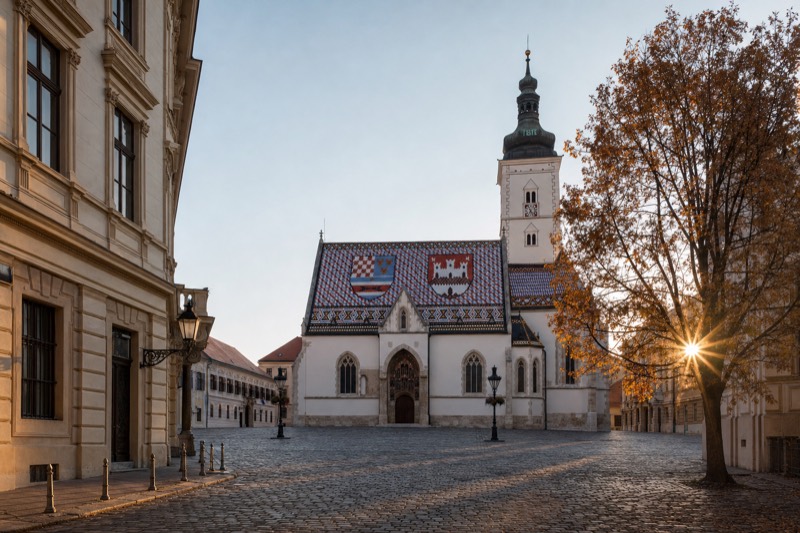
Zagreb
The capital: business, international schools, the main airport and real seasons.
Safety
The EU’s safest neighbourhoods.*
Kids on the square after dark, late walks along the sea, evenings outside without a second thought. Croatia feels safe, and the numbers agree.
- #1 of all 27 EU countries for safe neighbourhoods.* Eurostat EU-SILC, 2023
- 1.4% of people in Croatia report crime, violence or vandalism where they live. EU average: 10%. Germany: 10.7%. France: 14.7%. Eurostat EU-SILC, 2023
*Lowest share of people reporting crime, violence or vandalism in their area of all 27 EU member states. Eurostat EU-SILC 2023 survey. Croatia uses the euro and is part of Schengen and NATO.
Your options
Let’s talk about your options.
The digital nomad visa is only one way in. Tell us how you work and who is coming with you, and we tell you what fits. No forms on the first call.
- Working remotely
Digital nomad stay
Work for clients or an employer abroad and apply to live on the coast for up to 18 months.
The best-known way in
- Career or company
Work or build a business
A job with a Croatian employer, or a real company here that meets the hiring and investment rules, can support a longer stay.
For a long-term life here
- Coming together
Bring your family
Partners and children can usually join once your own stay is approved. We plan everyone’s move together, schools included.
One plan for the whole family
- EU citizen
Moving with an EU passport
No visa. After three months you register your stay, and we help with your tax number, the bank and a home.
Usually the quickest move
Buying a home or have Croatian roots? Ask us on the call. Owning a home does not give you residence by itself. The details are in the FAQ.
Book a Free Relocation Call→How it works
From first call to first swim.
- 01
A relaxed first call
Tell us where you are, how you work and how you want to live. We tell you what fits and what it really takes.
- 02
A plan made for you
Your option, your timeline and the town that suits you, with a fixed fee agreed up front.
- 03
We do the paperwork
Forms, documents, translations and the application itself. You sign where needed and we handle the rest.
- 04
Decision and first swim
We follow your case to the decision. Then the bank, the lease and your first swim before work.
What we handle
You enjoy the coffee. We deal with the offices.
- 01
The right route for you
We match your nationality, work and family to the legal route that fits, before a single document is collected.
- 02
Visa and residence
Your application prepared with you, filed and followed all the way to the residence card.
- 03
Your ID number, address and health cover
Your Croatian personal ID and tax number (OIB), your registered address and the right health insurance, in the right order.
- 04
A home by the sea
Lease checks before you sign, and for buyers every check and consent a purchase needs, with an independent lawyer.
- 05
Bank account and the first weeks
A Croatian bank account, utilities, a phone number and someone to call when a form arrives in Croatian.
- 06
Family and founders
Family reunification in the right order, and company setup with an English-speaking accountant if you build a business here.
FAQ
The formal part, answered.
-
Non-EU nationals usually come on one of these: the digital nomad stay (up to 18 months, for remote work for a foreign employer or your own company registered abroad), a stay-and-work permit with a Croatian employer, a stay-and-work permit as the majority owner of a Croatian company (d.o.o.), which requires at least 51% ownership, at least €26,544.56 invested and three Croatian employees, family reunification, or study. Some routes lead to long-term or permanent residence after five years, but not all time counts (the digital nomad stay does not), so we plan this with you. EU, EEA and Swiss citizens only register their stay.
-
Choose the route, gather and translate the documents, and apply at a Croatian consulate abroad or with the police in Croatia. You register your address with the police shortly after arriving (digital nomads within three days of entering Croatia), get your personal ID and tax number (OIB), and collect your residence card once approved.
-
Usually a valid passport, a photo, health insurance valid in Croatia, a criminal record certificate from your home country, proof of income or savings, and proof of your remote work, job or company. Foreign documents often need an apostille and a certified Croatian translation. We give you an exact list for your route.
-
OIB is Croatia’s personal identification and tax number. You need it for the bank, a lease, utilities and a phone contract. We get it for you early.
-
Yes, if you qualify for the digital nomad stay: you work for a foreign employer or your own company registered outside Croatia, and you do no work for Croatian employers. It lets non-EU nationals live in Croatia for up to 18 months.
-
In 2026 the threshold is €3,622.50 a month, plus 10% of the average net salary for each family member. Savings can replace income: €43,470 for a 12‑month stay or €65,205 for 18 months. The figure is updated every year.
-
Usually, through family reunification, but the timing depends on your route. For digital nomads the family applies after the nomad’s stay has been granted. With some work permits the main applicant now needs two years of approved stay first. We plan the order with you.
-
The digital nomad stay ends at 18 months, and a new one is possible six months after it expires. For a longer life here we plan a follow-on route, such as work, a company or family reunification.
-
Non-EU buyers need Ministry of Justice consent, and their country must offer Croatians the same right. US citizens qualify in most states and UK citizens qualify. Australians cannot buy existing property until 31 March 2027, and the rules for Canadians are still being confirmed. Owning a home does not give you residence by itself. We check your case before you sign.
-
Not for the digital nomad stay, and English is widely spoken on the coast. From 4 June 2027 a basic Croatian exam is required for some work-permit renewals.
-
Split for a lively city by the sea, Hvar or Brač for island life, Rovinj and Istria for a slower pace near Italy, Dubrovnik for the far south, Zagreb for business and schools. We help you choose on the call.
-
No visa or permit. You can stay three months freely. To stay longer you register your stay with the police, showing that you work, study or have enough money and health insurance.
-
The state fees are small: for the digital nomad route, €46.45 for the application in Croatia and €41.14 for the residence card. Our service fee is fixed and agreed on the first call, before you commit.
Start here
Your Mediterranean life, planned properly.
- You do not need to know which visa you need.
- You do not need to speak Croatian.
- You only need to know you want the sea.
Tell us where you are now, how you work and when you want to arrive. We will show you the route, the real timeline and what it takes.
No obligation. 30 minutes with someone who knows the Croatian system.